
By: Nicole Troy
Belize is a beautiful country, situated on the eastern coast of Central America. The Caribbean Sea which inhabits the longest living barrier reef sits to the East and dense jungle with a vast amount of biodiversity sits to the West.
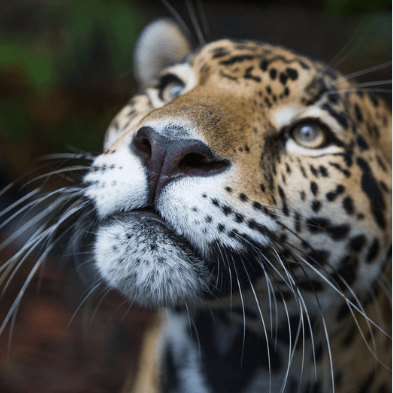
On a recent trip, I had the opportunity to visit the Cockscomb Basin Wildlife Sanctuary & Jaguar Preserve which covers about 150 square miles of tropical forest and is the world’s only Jaguar Preserve. There are a variety of species of mammals, birds and flora and fauna that inhabit the rainforest. It was incredible to walk through this well-preserved area and appreciate the intricacies of life in the forest and some of the sights, smells, and sounds of the species that make this land home.
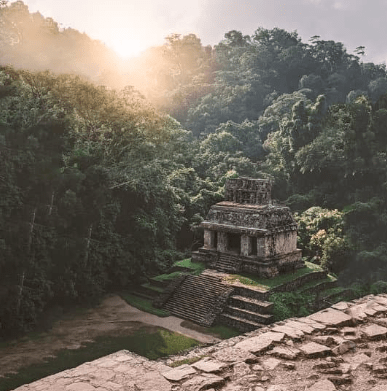
During our hike through the rainforest we had the opportunity to discuss with our tour guide Joe who is of Mayan descent about his life and connection to the land. He spoke of his family lineage and some of their traditions living in relation to the many species in the jungle. He shared that his father and many of his family members lived in the forest and worked for the logging companies that harvested the very valuable cedar and mahogany. Joe recalled a story from his youth, that one day at nightfall while walking to see his father he saw the majestic jaguar trailing along with him on the path. This was a very rare sighting, since these big cats often remain hidden and out of sight. He also shared his experience when the land became a protected preserve and the Belizean government forced his people to move from their homes in the forest with only 24 hours notice and no reparation.
What struck me about this story in particular, was that despite being forced to leave, the Mayan people are still actively involved in being stewards for the rainforest. They now live in the Maya cultural center, directly on the outskirts of the sanctuary and participate in bringing tours back to the forest in order to educate visitors on the many species, land protection and culture in the area.
I was also deeply moved when he shared more about the healing properties found with-in the rainforest and his grandfather’s history as a shaman and healer for his village. He spoke of the spirits of the plants and shared a few of the uses of Mimosa, Cupal tree, and utilizing trees as a compass if ever lost in the forest.
Mimosa (Sleep me not): It is advised that three plants should be placed under an infant’s pillow and will help the newborn sleep. There is a belief that the spirit of this plant can connect to that of a newborn baby and offers comfort and relaxation.
Copal tree: Used as incense to offer protection and ward of spirits and negative energy. If you burn an incense ball made of Copal and it pops then there are spirits in the area.
Trees as a Jungle Compass: Trees will grow their branches in the direction that receives the most sun. This means that trees will have more branches on the south facing side since it is exposed to the most sunlight throughout the day. You can use this philosophy as a compass based on the sunset and cardinal directions.
I felt very privileged to be able to experience not only the preserve with its array of wildlife and biodiversity, but to speak with a local about their culture and how they relate to the land and nature. I would encourage anyone on their travels to ask questions and seek out local experiences and people who can share their knowledge. It certainly left me feeling a deeper connection.
With inspiration in sustainability,
Nicole Troy
WEGSS Founder & Team Member
Tell Your Global Sustainability Story
Contribute to our community led platform. Anyone at any time is welcome to share their stories. See submitted Global Sustainability Stories on our GSS Community Blog & social media.
 West to East Global Sustainability Stories